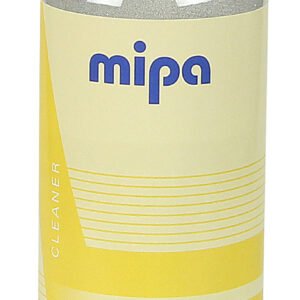
Mipa Plastic Cleaner 1 l antistatic removes surface contamination before sanding and before the first coating layer.

3D print finishing guide
A 3D printed display piece usually needs sanding, filling and primer before colour, especially when layer lines or support marks are visible. This guide keeps the process focused on a smooth display finish using specified plastic preparation, spray filler, acrylic colour and clearcoat options.
Mipa Plastic Cleaner 1 l antistatic removes surface contamination before sanding and before the first coating layer.
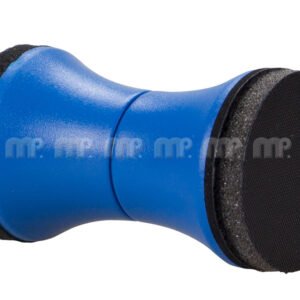
MP Sanding Pad helps flatten support marks and dull the surface before primer or spray filler.
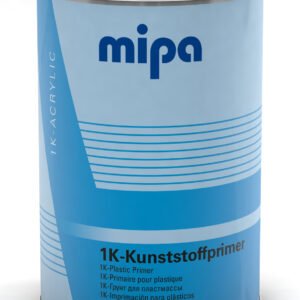
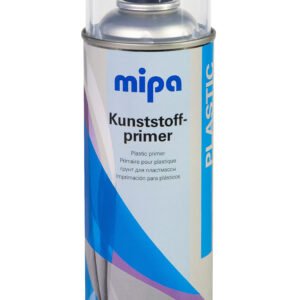
Mipa 1K Plastic Primer or Mipa Plastic Primer Spray improves paint grip on suitable plastic print materials and small plastic details.
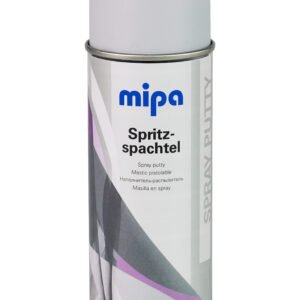
Mipa Spray Filler 400 ml helps cover minor scratches, sanding marks and shallow layer texture before final colour.
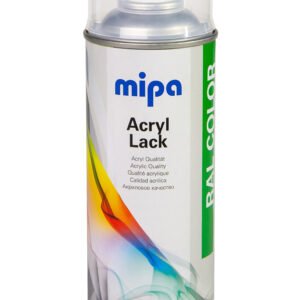
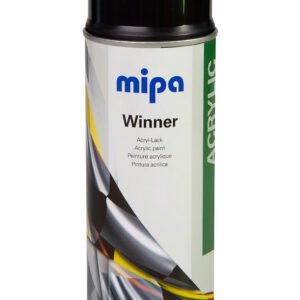
Mipa Winner-Spray Acrylic Paint 400 ml gives a practical colour stage for display pieces, models and decorative printed parts.
Mipa Acrylic Paint Spray Clearcoat 400 ml can add a final protective clear layer after the colour coat has dried correctly.
Trim supports, sand visible lines and clean the print so loose plastic dust does not sit under the primer.
Apply the plastic primer method in thin coats where the print material needs a grip layer before filler or colour.
Use Mipa Spray Filler to level small scratches and layer texture, then sand again until the display surface looks even.
Spray Winner-Spray Acrylic Paint in light passes so fine model detail remains visible and the colour builds cleanly.
Use the acrylic clearcoat after the colour stage is ready, then leave the piece undisturbed while the finish hardens.
Layer texture usually needs filling and sanding before colour, because colour alone will not hide ridges on a display piece.
Plastic primer helps the coating grip the surface, especially where sanding has exposed fresh plastic.
A clear aerosol layer can protect colour on pieces that will be touched, moved or cleaned later.
For a smooth display result, treat the first primer or filler coat as an inspection coat and correct flaws before adding colour.
© 2026 All Rights Reserved.
Start with the item. The job page shows what to use and in which order.