Guided shopping for removable plastic covers
Guide to painting hard plastic appliance and electrical covers
Removable plastic appliance covers, housings and non-live decorative covers need careful preparation because fit, safety labels, vents and fixing points still have to work after painting. This guide focuses on rigid plastic covers that can be removed, cleaned, masked and refinished away from live electrical parts.
What do you need to paint hard plastic appliance and electrical covers?
Safe surface cleaning
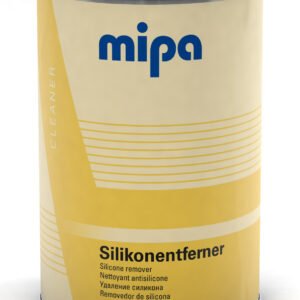
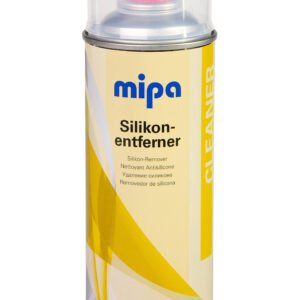
Mipa silicone remover liquid or spray removes grease, silicone and handling residues from removable hard plastic covers before sanding and priming.
Controlled matting
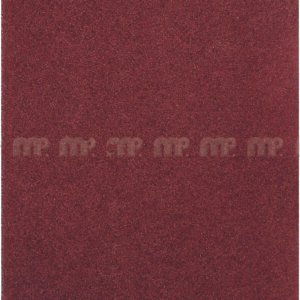
MP Non-woven Sanding Pad Very Fine red creates a light key on glossy plastic without cutting heavy grooves into visible appliance faces or slim edges.
Plastic adhesion primer
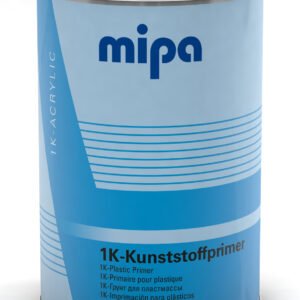
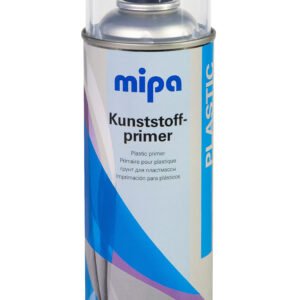
Mipa 1K Plastic Primer is the adhesion layer for many rigid plastics and helps the finish grip after the cover has been cleaned and lightly keyed.
Primer filler for cosmetic defects
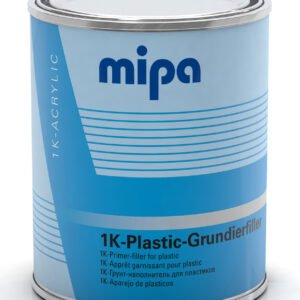
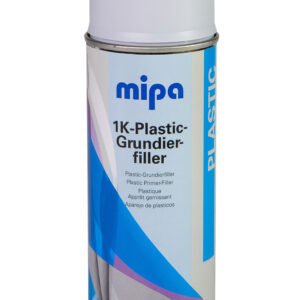
Mipa 1K Plastic Primer Filler can reduce fine scratches, old sanding marks and light surface irregularities on covers that need a smoother finish.
Plastic finish choices
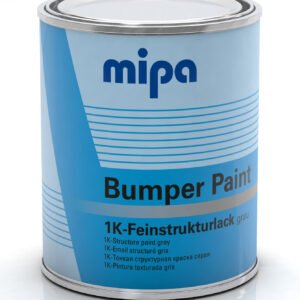
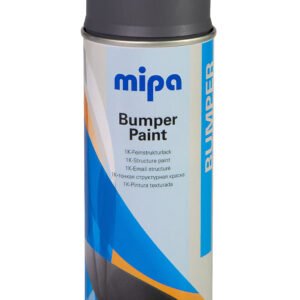
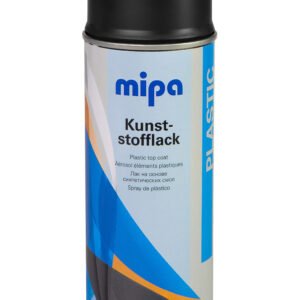
Mipa Plastic Paint Spray suits a smooth matt plastic colour finish, while Mipa Bumper Paint Spray or Mipa Bumper Paint 1l gives a structured grey or black plastic effect.
How to paint hard plastic appliance and electrical covers
- 1
Remove only safe covers
Work only on removable, non-live covers. Keep switches, sockets, seals, labels, ventilation slots, connector faces and contact areas uncoated.
- 2
Clean and degrease
Wash dirt away first, then wipe the paintable plastic with Mipa silicone remover. Clean handling grease is important on covers touched often.
- 3
Mask functional details
Mask screw holes, clips, slots, mating edges and labels that must stay readable or precise. Thin paint build matters on covers that snap back into place.
- 4
Scuff and prime
Lightly matt the visible plastic with the red sanding pad and apply Mipa 1K Plastic Primer. Use primer filler only where cosmetic marks need levelling.
- 5
Apply light finish coats
Use thin, even coats and allow proper drying before reassembly. Do not force covers back into place while the coating is still soft.
Which cover finish should you choose?
Smooth cover finish
Mipa Plastic Paint Spray is the cleaner choice when the cover should remain smooth and close to the original molded plastic look.
Textured housing finish
Mipa Bumper Paint Spray or Mipa Bumper Paint 1l can suit equipment housings where a structured grey or black surface hides minor wear.
Marked or scratched covers
Mipa 1K Plastic Primer Filler helps when small sanding marks or old surface scratches would show through a thin colour coat.
Technical details
- Mipa 1K Plastic Primer supports adhesion on many rigid plastics but the cover material must still be checked before full refinishing.
- Mipa 1K Plastic Primer Filler is suited to plastic substrates such as ABS, PC, ABS-PC, PMMA, PA, PUR, PVC and GRP after preparation.
- Mipa Plastic Paint Spray is an elastic matt plastic topcoat for suitable plastic surfaces and is applied as light spray coats.
- Paint must not cover live parts, grounding areas, connector seats, ventilation openings, safety labels or surfaces needed for the cover to fit correctly.
- Let the finish harden before reinstalling screws or clips, because early assembly can imprint or tear soft coating at the edges.
Practical suggestion
Use a small removable cover as the trial piece first. A neat finish is only useful when the cover still clips back, vents correctly and leaves all functional markings readable.