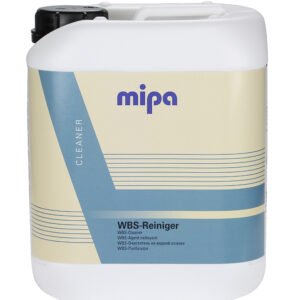
Mipa WBS Cleaner prepares the surface inside the waterborne system, removing contamination that can disturb flow, adhesion or the final look.

Guided shopping manual
Garden wood furniture needs a coating method that starts with clean dry wood and ends with a finish able to handle outdoor use. This page helps choose between satin matt, gloss and PU acrylic waterborne finishes.
Mipa WBS Cleaner prepares the surface inside the waterborne system, removing contamination that can disturb flow, adhesion or the final look.
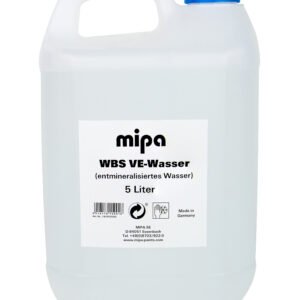
Mipa WBS deionised water is the dedicated thinner for the WBS finish, used only when the coating needs controlled adjustment for brushing, rolling or spraying.
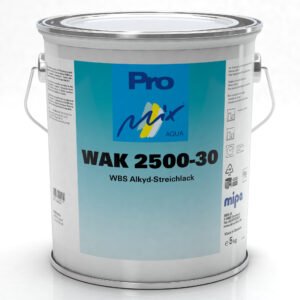
Mipa WAK 2500-30 gives an easy brushing waterborne alkyd finish with strong levelling for interior and exterior woodwork when a softer satin matt result is preferred.
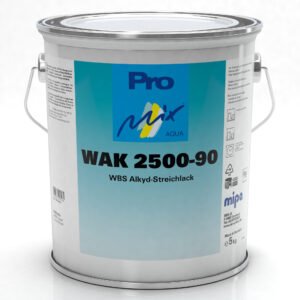
Mipa WAK 2500-90 gives a smooth glossy waterborne alkyd finish for woodwork, primed metal and sound old coatings where a brighter, more washable surface is wanted.
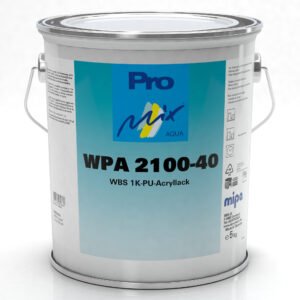
Mipa WPA 2100-40 gives a waterborne 1K PU acrylic satin matt finish for common wood surfaces, with a calm low-sheen look for furniture and visible interior pieces.
Wash away dirt, algae and old care residues, then let the wood dry fully so moisture is not trapped below the coating.
Remove loose old paint, smooth weathered fibres and correct damaged areas before moving to the finish stage.
Use Mipa WAK 2500 for an alkyd brushing finish or Mipa WPA 2100-40 for a satin matt PU acrylic wood finish.
Brush or roll with the grain, keeping thin coats on slats, legs, corners and table edges so runs do not form.
Let the coating harden before placing cushions, planters or wet objects back on the furniture.
Mipa WAK 2500-30 or Mipa WPA 2100-40 gives a softer look when you want less reflection on outdoor chairs, benches and tables.
Mipa WAK 2500-90 is the better visual match when a brighter, smoother and more wipeable glossy garden furniture finish is preferred.
Mipa WBS deionised water belongs with the WBS finish when viscosity needs careful adjustment for the chosen application method.
For slatted furniture, coat the gaps and underside edges first. These areas collect moisture and are harder to cover neatly after the visible faces are finished.
© 2026 All Rights Reserved.
Start with the item. The job page shows what to use and in which order.