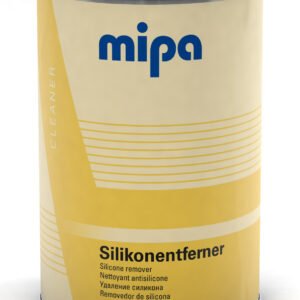
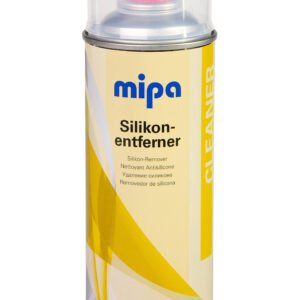
Mipa silicone remover in liquid format is the main cleaning choice for larger steel surfaces, while the spray is useful for smaller details, seams and awkward shapes before sanding or coating.

Guided shopping for barbecue and fire pit paint
The outside of a barbecue or fire pit needs grease removal, rust preparation and a high heat coating for exterior metal areas that become hot during use.
Mipa silicone remover in liquid format is the main cleaning choice for larger steel surfaces, while the spray is useful for smaller details, seams and awkward shapes before sanding or coating.
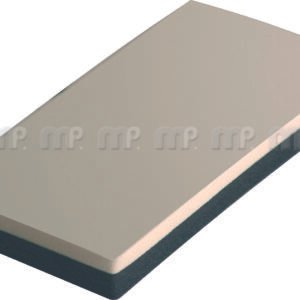
MP Hand Block Soft helps abrasive paper follow round pipe, curved stove surfaces, trim edges and shield profiles without cutting flat spots into the metal.
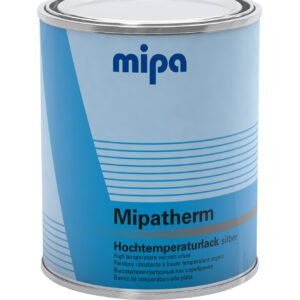
Mipatherm liquid coating is suited to larger steel surfaces that need a heat resistant silver or black finish and controlled application by brush or spray equipment.
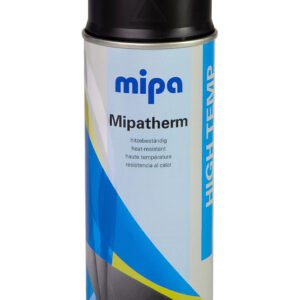
Mipatherm Spray 400 ml is the quick aerosol method for smaller heat loaded steel parts, detail areas and local repairs in matt black or silver.
Work only on a fully cool barbecue or fire pit exterior. Remove loose paint, rust, scale and soot so the new high heat coating bonds to firm metal.
Use Mipa silicone remover or the spray format to remove grease, oil and contamination. Clean again after sanding so dust and residue do not sit under the coating.
Use MP Hand Block Soft with suitable abrasive paper to key sound metal and feather any remaining firm paint edge without gouging the shape.
Use Mipatherm or Mipatherm Spray in thin, even coats. Heavy wet coats make heat coatings more vulnerable to bubbling, slow curing and surface marks.
Allow the painted barbecue or fire pit to dry before heat exposure, then bring the temperature up gradually during the first use with good ventilation.
The liquid Mipatherm format is better for larger steel shells, fire pit bodies and broad outer panels where a can would take too many passes.
Mipatherm Spray suits legs, rims, small panels, handles brackets and local heat exposed spots where a quick thin spray finish is practical.
Only coat suitable external metal surfaces. Do not paint cooking grates, food contact areas or places where the coating would sit in direct flame.
Degrease barbecue metal more than once before sanding and coating. Grease vapour and old cooking residue can hide around seams and rims, and that contamination is a common reason for poor adhesion.
© 2026 All Rights Reserved.
Start with the item. The job page shows what to use and in which order.