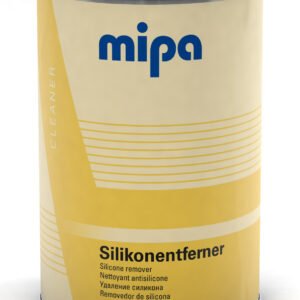
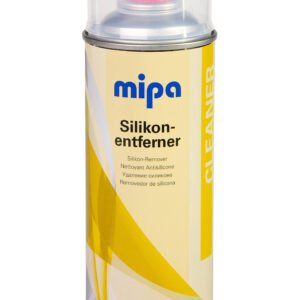
Mipa silicone remover liquid or spray removes wax, oil, grease and silicone from PVC before keying and coating. Clean corners and lower frame edges especially carefully.

Guided shopping for PVC doors and window frames
PVC doors and window frames need very clean edges, careful masking and a finish that can be applied neatly around profiles, seals and glazing. Mipa VC 250-30 gives this method a brush, roller or spray finish for PVC surfaces after cleaning and controlled preparation.
Mipa silicone remover liquid or spray removes wax, oil, grease and silicone from PVC before keying and coating. Clean corners and lower frame edges especially carefully.
MP Non-woven Sanding Pad Very Fine red dulls glossy PVC and helps create a controlled key around profiles, corners and frame rebates.
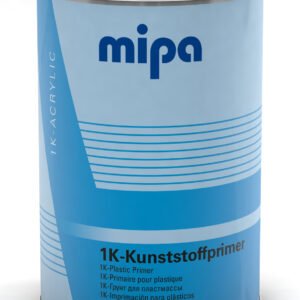
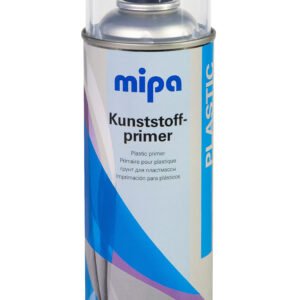
Mipa 1K Plastic Primer in tin or spray format can be used on prepared plastic areas where an adhesion bridge is wanted before the finish layer.
Mipa VC 250-30 is a thixotropic high-build satin matt single coat paint based on PVC for brush, roller and spray application directly on PVC and other suitable substrates.
Mipa VC 250-30 is supplied in price group I, II and III colour ranges, allowing the finish to be matched to the chosen project colour within the available Mipa industry system.
Remove dirt, old residues and edge contamination from PVC profiles. Dry the frame fully before using silicone remover.
Mask glazing, rubber seals, hinges, locks, drainage slots and moving contact points so the coating does not bridge or block them.
Use the red non-woven sanding pad to create an even dull surface. Remove dust before coating, especially in frame corners and grooves.
Apply Mipa 1K Plastic Primer to prepared plastic details where an adhesion bridge is useful. Keep the film thin around tight profile edges.
Apply Mipa VC 250-30 by brush, roller or spray in controlled coats. Keep opening edges clean and allow proper drying before closing the door or window.
Choose Mipa VC 250-30 when the frame is being coated in place and careful brush or roller control is more practical than spraying.
Choose spray application when the frame or removable panel can be masked fully and an even finish across profiles is the priority.
Choose the correct VC 250-30 price group before starting so repaired panels, doors and window frames use one consistent colour plan.
Open and close the door or window during masking planning, not after the coating is applied. Every rubbing point found before painting is a problem avoided during reassembly and curing.
© 2026 All Rights Reserved.
Start with the item. The job page shows what to use and in which order.