Carbon fibre clearcoat protection
Guide to clearcoating carbon fibre parts
Carbon fibre parts rely on the clear layer for gloss, depth and UV protection. This guide is for sound carbon fibre surfaces that need cleaning, gentle refinement and a new clearcoat layer without damaging the visible weave.
What do you need to clearcoat carbon fibre parts?
Cleaning and degreasing
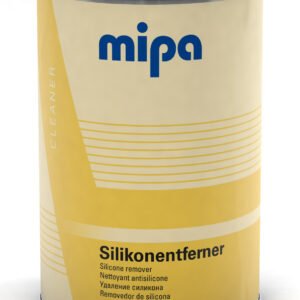
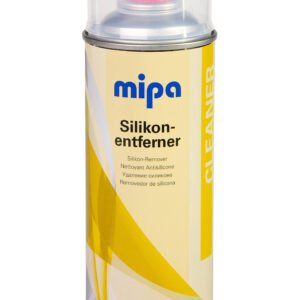
Mipa silicone remover in liquid or spray format removes contamination before the carbon surface is sanded or clearcoated.
Gentle surface refinement
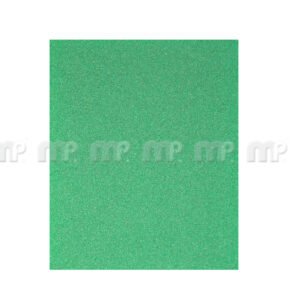
MP Finish Pad Soft Superfine P 800 refines the surface by hand on edges, contours and visible carbon details.
Activated clearcoat spray
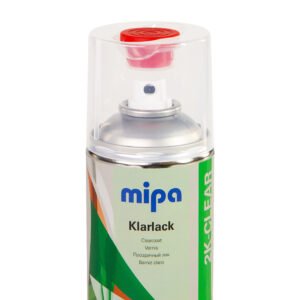
Mipa 2K Clearcoat Spray high gloss gives a compact 2K aerosol clearcoat method for small carbon fibre parts.
Scratch-resistant clearcoat system
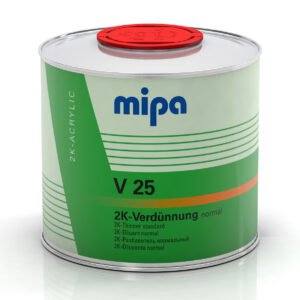
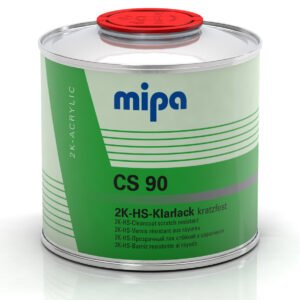
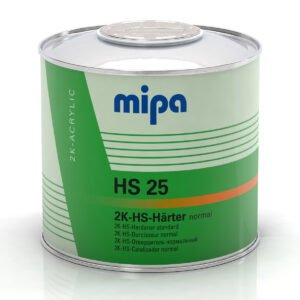
Mipa 2K-HS Clearcoat CS 90 with Mipa 2K-HS Hardener HS 25 normal and Mipa 2K Thinner Normal V 25 gives a premium clearcoat method for larger parts.
How to clearcoat carbon fibre parts
- 1
Clean the surface
Remove dirt, wax and polishing residue before any abrasive work begins.
- 2
Refine with control
Scuff the existing clear layer gently and evenly, keeping pressure light around edges and weave details.
- 3
Clean again
Remove sanding residue and check that the surface is uniformly prepared without exposed or damaged fibres.
- 4
Apply clearcoat
Use the clearcoat method matched to part size, applying controlled coats rather than heavy wet layers.
- 5
Let the coating cure
Allow the clearcoat to cure before polishing, assembly or outdoor exposure.
Which carbon clearcoat method should you choose?
For small trim pieces
Use the activated clearcoat spray when the part is compact and a spray gun method is unnecessary.
For larger visible parts
Use the CS 90 system when the part needs a more controlled clearcoat application and scratch-resistant gloss.
For exposed carbon weave
Keep sanding conservative. The goal is to prepare the existing clear layer, not cut into the carbon structure.
Technical details
- Carbon fibre refinishing should only proceed when the part is structurally sound and the damage is limited to the coating layer.
- Clearcoat helps protect the visible carbon finish against UV exposure, wash marks and environmental wear.
- Avoid aggressive sanding on edges, because carbon weave and resin can be exposed quickly.
- 2K clearcoats require correct activation, ventilation and personal protection during application.
Practical suggestion
Use strong light from different angles before clearcoat. Clouding, sanding scratches and exposed weave are easier to catch before the clear layer goes on.