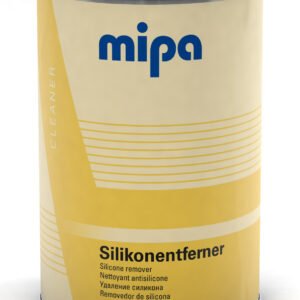
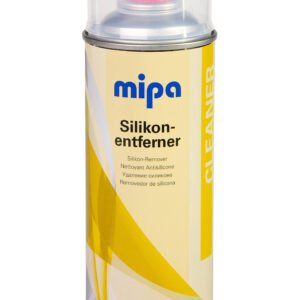
Mipa silicone remover in liquid form and Mipa silicone remover spray remove grease, oil, wax and silicone contamination from engine blocks, covers and hot brackets before sanding or coating work starts.

Coatblend guided shopping
Paint engine blocks, covers and hot brackets needs a clean metal surface, controlled sanding and a coating that is actually made for heat. Engine parts need heat resistant coating only on suitable external metal surfaces, while gasket faces, machined areas and service openings must remain clean. This guide focuses on Mipa silicone remover, MP Hand Block Soft and Mipatherm formats for a practical high temperature finish.
Mipa silicone remover in liquid form and Mipa silicone remover spray remove grease, oil, wax and silicone contamination from engine blocks, covers and hot brackets before sanding or coating work starts.
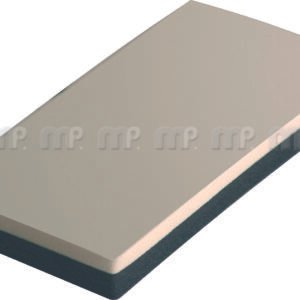
MP Hand Block Soft 128 x 63 mm helps key curved and shaped metal areas so the abrasive follows the part without creating harsh flat spots.
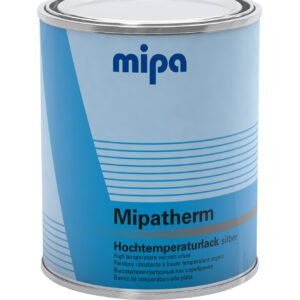
Mipatherm is a silicone resin based high heat coating for steel surfaces that need a black or silver finish with heat resistance up to 800 °C.
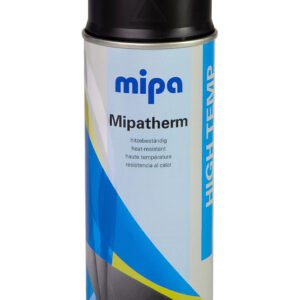
Mipatherm Spray 400 ml gives the same high heat direction in a convenient aerosol for smaller parts, edges and local work where spray gun preparation is unnecessary.
Let engine blocks, covers and hot brackets cool completely, then remove loose rust, soot, flaking paint and road dirt before solvent cleaning begins.
Use Mipa silicone remover or the aerosol cleaner to lift oily residue so sanding does not rub contamination deeper into the surface.
Use the soft hand block on accessible flat and curved areas, then clean again so abrasive residue and oily fingerprints are removed before coating.
Use thin, even coats of Mipatherm or Mipatherm Spray and keep the film controlled rather than heavy. The coating is ready to use and does not need hardener.
Allow the coating to dry as directed before the part returns to heat. Gradual first heat exposure is safer than forcing a freshly coated part straight into severe service.
Choose the 750 ml, 4 l or 20 l Mipatherm format when engine blocks, covers and hot brackets can be coated with spray equipment or another suitable professional application method.
Choose the 400 ml aerosol for local repairs, edges, small shields and parts where setting up spray equipment would slow the job down.
Black gives a matt technical finish, while silver suits visible heat parts where a metallic service finish looks more natural.
Keep paint away from gasket faces, threaded holes, electrical contacts and moving interfaces. The best finish starts with patient masking before the first coat is sprayed.
© 2026 All Rights Reserved.
Start with the item. The job page shows what to use and in which order.