Guided industrial coating
Guide to painting agricultural implements and machine panels
Agricultural implements and machine panels need a coating path that handles dirt, oil, corrosion risk and outdoor working conditions. This guide uses the specified Mipa cleaning, sanding, epoxy primer and gloss 2K polyurethane topcoat products in a practical order.
What do you need to paint agricultural implements and machine panels?
Cleaning and degreasing
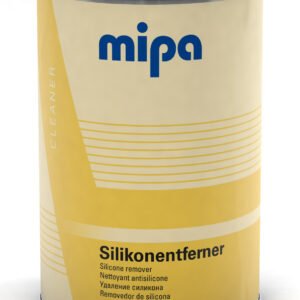
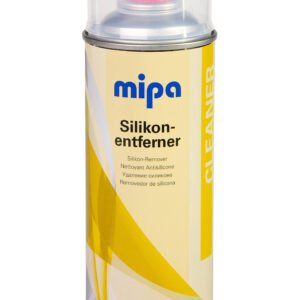
Mipa silicone remover in liquid or spray format removes wax, grease and silicone before sanding, primer or topcoat work. Clean panels make the next layer bond to the surface instead of to contamination.
Hand sanding around details
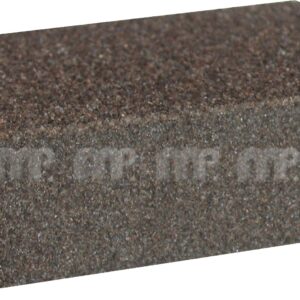
MP Sanding Sponge helps key curved guards, pressed ribs, hinges and panel edges by hand. It is useful where a flat abrasive tool cannot follow the shape cleanly.
Epoxy corrosion primer
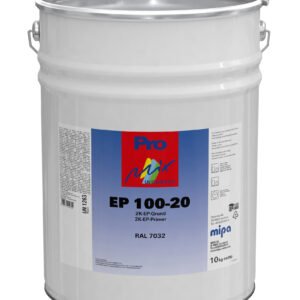
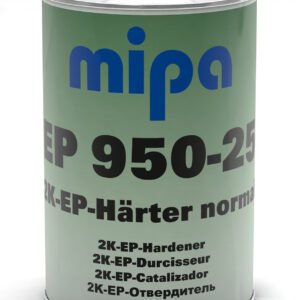
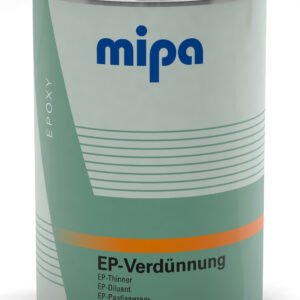
Mipa EP 100-20 with Mipa EP 950-25 hardener and Mipa EP Thinner creates a 2K epoxy primer layer for steel, zinc coated steel and aluminium. It gives the implement a sound corrosion resistant base before the topcoat.
Gloss industrial topcoat
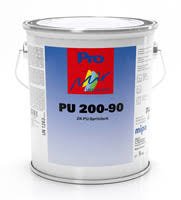
Mipa PU 200-90 is a fast drying 2K polyurethane acrylic gloss topcoat for machinery, components, constructions, agricultural machinery and construction vehicles. It suits large implement panels that need a durable industrial finish.
Topcoat hardener and thinner
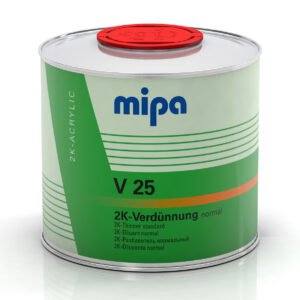
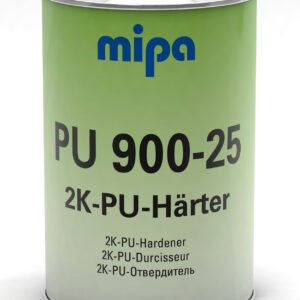
Mipa PU 900-25 hardener cures PU 200-90, while Mipa 2K Thinner Normal V 25 adjusts the material for spray application. Keeping the correct companion products together protects gloss, flow and curing.
How to paint agricultural implements and machine panels
- 1
Remove heavy contamination
Wash away soil, crop residue, loose dust and oil before solvent cleaning so the degreaser can work on the actual surface.
- 2
Degrease before sanding
Clean with Mipa silicone remover, using clean cloths and changing them often so contamination is lifted off instead of spread across the panel.
- 3
Key the surface
Sand stable paint, edges and repaired areas with the sanding sponge until the surface has an even mechanical key for primer or topcoat.
- 4
Prime bare or risky metal
Apply Mipa EP 100-20 with the specified EP hardener and thinner where bare steel, zinc coated steel, aluminium or corrosion risk needs an epoxy foundation.
- 5
Apply the gloss topcoat
Spray Mipa PU 200-90 with Mipa PU 900-25 and Mipa 2K Thinner Normal V 25, then respect flash off, curing and handling times before the implement returns to use.
Which agricultural machinery coating products should you choose?
For large panels and implements
Choose the PU 200-90 gloss method when a sprayed industrial topcoat is needed across guards, panels, frames or covers.
For exposed metal or corrosion risk
Use EP 100-20 before the topcoat when the surface has bare metal, repaired areas or conditions that need a stronger corrosion resistant base.
For edges and shaped details
Use the sanding sponge and careful solvent wiping around folds, brackets and ribbed sections because these areas often fail first when they are not keyed properly.
Technical details
- Mipa PU 200-90 is specified as a fast drying 2K polyurethane acrylic gloss paint for machinery, agricultural machinery and construction vehicles.
- PU 200-90 uses Mipa PU 900-25 hardener at 5:1 by weight and 5:1 by volume, with Mipa 2K Thinner for viscosity adjustment.
- Mipa EP 100-20 is a 2K epoxy primer for steel, zinc coated steel, aluminium, fibreglass and mineral substrates.
- Use the EP hardener and EP thinner for the epoxy primer stage, and the PU hardener and 2K thinner for the topcoat stage.
Practical suggestion
Treat seams, bolt areas, folded edges and underside lips as priority zones. Degrease and key them carefully before coating because agricultural dirt and oil often stay trapped there.