Guided shopping for metal building panels
Guide to painting steel cladding and building panels
Steel cladding and building panels need a clean, stable surface, a corrosion resistant primer on exposed metal, and a durable topcoat that can handle exterior weather and daily building use.
What do you need to paint steel cladding and building panels?
Cleaning and degreasing
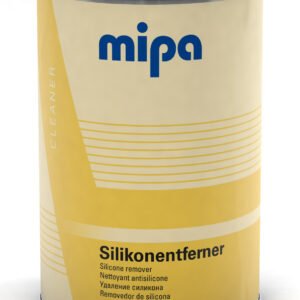
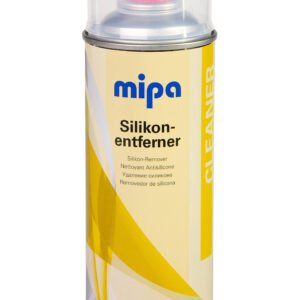
Mipa silicone remover in liquid format handles broad panel cleaning, while the spray format is useful around edges, fixings, overlaps and small repair zones before sanding or coating.
Epoxy primer base
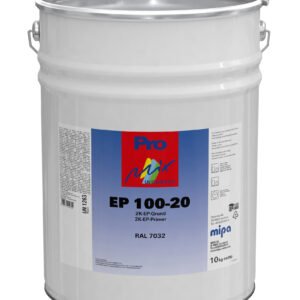
Mipa EP 100-20 gives exposed steel, zinc, aluminium, GRP and mineral surfaces a zinc phosphate epoxy primer layer before the visible finish goes on.
Epoxy hardener and thinner
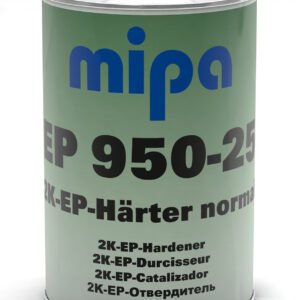
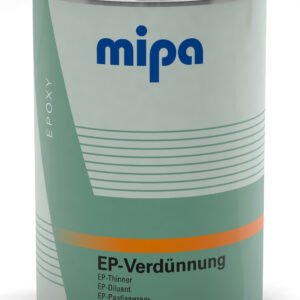
Mipa EP 950-25 is the normal hardener for compatible EP primer work, and Mipa EP Thinner adjusts the epoxy material when the primer needs correct application viscosity.
Semi-gloss 2K PU finish
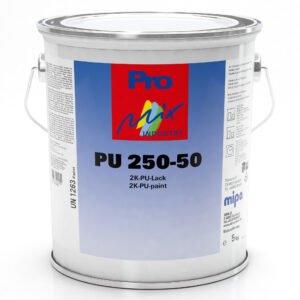
Mipa PU 250-50 gives cladding and building panels a semi-gloss 2K polyurethane acrylic finish for facades, steel constructions and metal parts.
PU hardener and 2K thinner
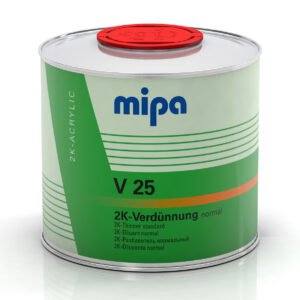
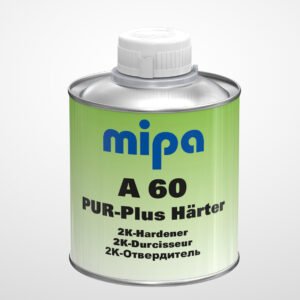
Mipa PUR Plus Hardener A60 supports brush and roller use with compatible PU 250 work, while Mipa 2K Thinner Normal V 25 is the standard thinner method for solvent based 2K coating adjustment.
How to paint steel cladding and building panels
- 1
Assess the existing coating
Check whether the old coating is firmly bonded, chalking, flaking or exposing bare metal. Loose coating, rust and weak chalky residue must be removed before coating.
- 2
Clean the panels thoroughly
Remove dirt, grease, oil and surface contamination with the appropriate Mipa cleaner, then allow the panel to dry before sanding or primer application.
- 3
Prepare bare and weathered metal
De-rust exposed steel, key glossy areas and clean again. Zinc and aluminium need the preparation method stated for the chosen system before primer or topcoat.
- 4
Prime exposed metal where needed
Use Mipa EP 100-20 with the matching EP hardener and thinner where the surface needs an epoxy primer layer for adhesion and corrosion protection.
- 5
Finish with PU 250-50
Apply Mipa PU 250-50 with the correct hardener and thinner choice for the application method, keeping the film even across panel faces, edges and laps.
Which cladding coating products should you choose?
Sound coated panels
Firm, clean and keyed old coating can be refinished after compatibility and adhesion checks, with extra attention to chalking, edges and fastener lines.
Bare or corroded metal areas
Exposed steel or damaged galvanized areas need stronger preparation and a compatible primer method before the semi-gloss topcoat is applied.
Large facade work
For broad panel areas, liquid formats and controlled brush, roller or spray application give better coverage planning than small aerosol work.
Technical details
- Mipa PU 250-50 is a semi-gloss 2K polyurethane acrylic paint for facades, machines and constructions, suitable for brush and roller application.
- Mipa PU 250-50 can be used with Mipa PUR Plus Hardener A60 at 10:1 by weight or 8:1 by volume according to the Mipa source data.
- Mipa EP 100-20 is a zinc phosphate epoxy primer for steel, zinced substrates, aluminium, GRP and mineral substrates.
- Mipa EP 100-20 uses EP 950 hardener at 5:1 by weight or 3:1 by volume and Mipa EP Thinner for viscosity adjustment.
- Old coatings, rust, mill scale, grease, oil and other substances that impair coating function must be removed before coating work starts.
Practical suggestion
For cladding that has weathered paint, first make one small adhesion and compatibility test area. A clean test patch helps confirm whether the old coating can carry the new system before a full wall or building panel is coated.