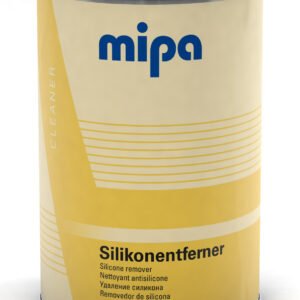
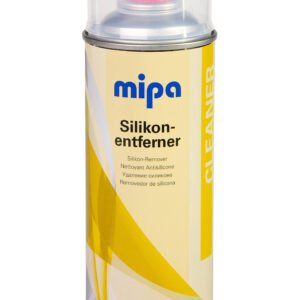
Mipa silicone remover in liquid or spray format removes wax, grease and silicone before sanding, filling or coating fiberglass surfaces.

Fiberglass panels and storage boxes
Fiberglass roof panels and storage boxes need careful cleaning, controlled sanding, stable filling and a protective coating system. This guide keeps the work focused on adhesion, shape correction and a durable finished surface for exterior fiberglass parts.
Mipa silicone remover in liquid or spray format removes wax, grease and silicone before sanding, filling or coating fiberglass surfaces.
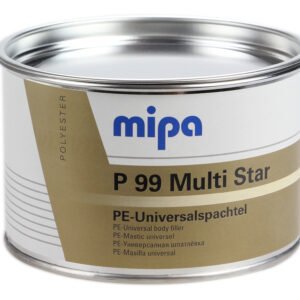
Mipa P 99 Multi Star PE car filler levels small surface defects and shallow imperfections before primer filler is applied.
MP Sanding Sponge follows edges, curved panels and molded storage box shapes so the surface can be keyed without flattening details.
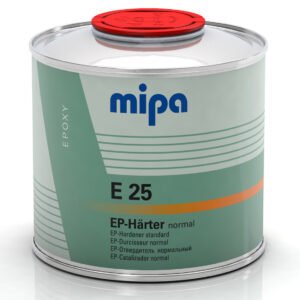
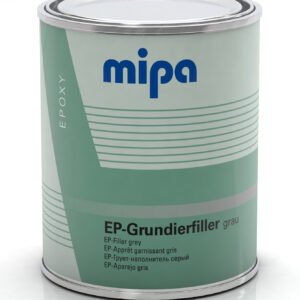
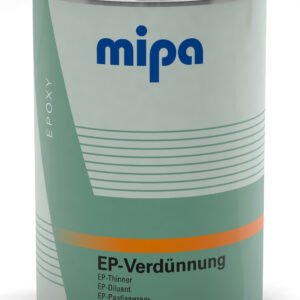
Mipa EP primer filler with Mipa EP Hardener E 25 normal and Mipa EP Thinner builds the adhesion and isolation layer before finishing.
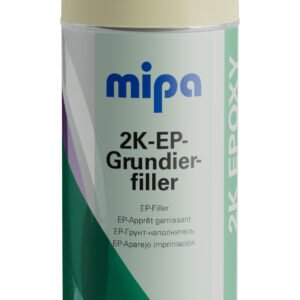
Mipa 2K-EP Primer Filler Spray gives a compact activated epoxy primer filler method for smaller fiberglass sections and local panel work.
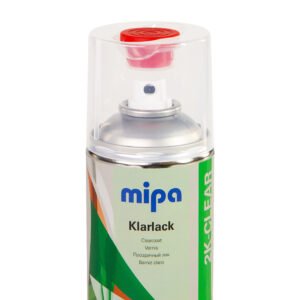
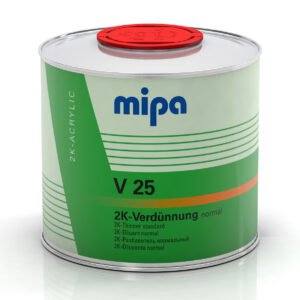
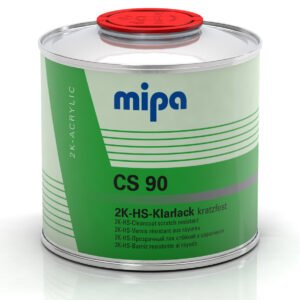
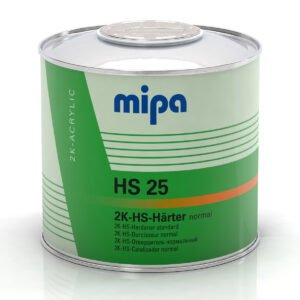
Mipa 2K-HS Clearcoat CS 90 with Mipa 2K-HS Hardener HS 25 normal and Mipa 2K Thinner Normal V 25 gives the final gloss and protection; Mipa 2K Clearcoat Spray suits smaller areas.
Remove wax, silicone and handling residue first so sanding does not grind contamination into the fiberglass surface.
Sand until the surface is evenly dull, then use filler only where shape correction or pinhole repair is needed.
Use the sanding sponge on molded edges and return corners, then clean again before primer filler.
Apply the epoxy primer filler method chosen for the job and allow it to cure according to the technical information.
Apply the compatible clearcoat system after the surface is ready, keeping film build and curing times controlled.
Use the liquid epoxy primer filler and clearcoat method when a roof panel or storage box needs controlled film build and a spray gun finish.
Use the activated aerosol primer and clearcoat method when the repair area is limited and a compact application method is more practical.
Spend extra time on sanding and pinhole correction, because fiberglass waves and defects remain visible after gloss clearcoat.
Start with the smallest repair area that gives a clean result. Fiberglass often looks ready too early, but a second inspection after cleaning will reveal pinholes, shiny low spots and edge marks before primer.
© 2026 All Rights Reserved.
Start with the item. The job page shows what to use and in which order.