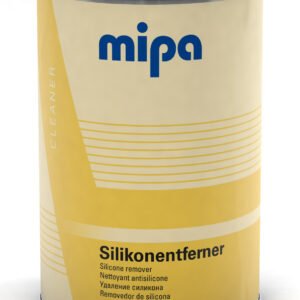
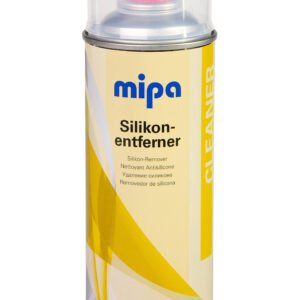
Mipa silicone remover in liquid or spray format removes grease, silicone and wax before sanding, priming or coating.

Guided shopping manual
An anti-slip boat deck finish should create grip without careless texture build-up, so cleaning, sanding, primer choice and controlled application matter as much as the coating itself.
Mipa silicone remover in liquid or spray format removes grease, silicone and wax before sanding, priming or coating.
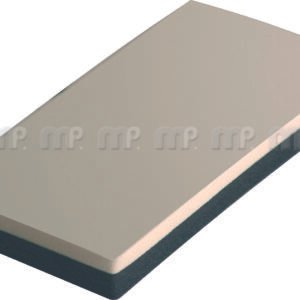
MP Hand Block Soft or MP Sanding Sponge helps dull glossy areas and keep curved edges even before primer or topcoat.
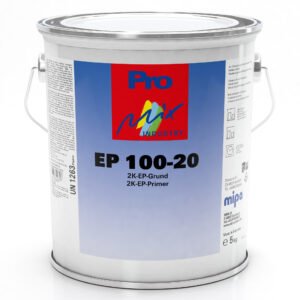
Mipa EP 100-20 is the epoxy primer method for steel, zinc-coated steel, aluminium, fibreglass and mineral substrates before the finishing coat.
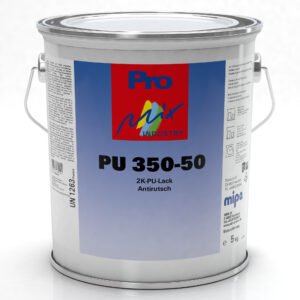
Mipa PU 350-50 is a semi-gloss 2K polyurethane anti-slip coating for walkable surfaces and construction parts.
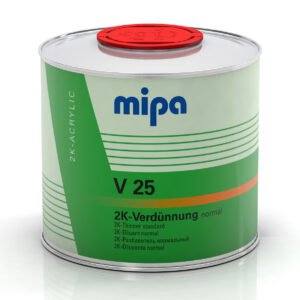
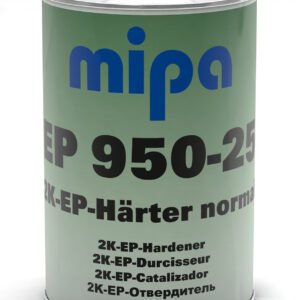
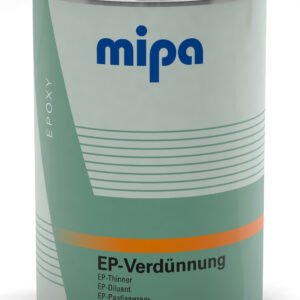
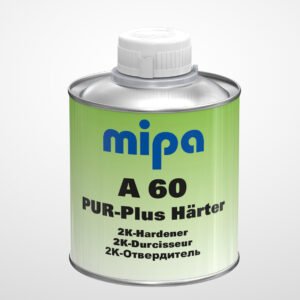
Mipa PUR Plus Hardener A60, Mipa EP 950-25 hardener, EP thinner and 2K thinner are used only with their matching primer or finish stage.
Remove salt, grease, wax and old dressing before sanding so the textured finish bonds to the deck surface.
Key the deck and mask the anti-slip zone cleanly so texture ends where the walking area ends.
Use the epoxy primer stage on exposed or mixed substrates before applying the anti-slip PU finish.
Mix the anti-slip PU finish with the correct hardener, then apply an even texture without flooding edges or corners.
Keep foot traffic and standing water away while the anti-slip coating hardens.
Choose PU 350-50 when the deck area needs a textured anti-slip finish rather than a smooth coating.
Choose the standard boat deck coating page when grip texture is not the main goal.
Use the epoxy primer stage before anti-slip coating where sanding reaches bare or mixed substrate.
Test the texture on a small offcut or hidden area first, because anti-slip coatings should feel grippy underfoot without becoming too sharp for cleaning or bare-skin contact.
© 2026 All Rights Reserved.
Start with the item. The job page shows what to use and in which order.