Small fiberglass repair patches
Guide to repairing and painting small fiberglass patches
Small fiberglass patches need a stronger repair build than simple cosmetic filling. The repair should rebuild the damaged area first, then refine the shape, prime the surface and finish it with a protective coating layer.
What do you need to repair and paint small fiberglass patches?
Cleaning and degreasing
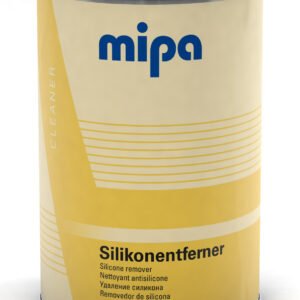
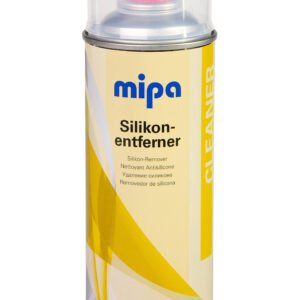
Mipa silicone remover in liquid or spray format cleans the part before sanding and again before primer or clearcoat.
Reinforced repair resin
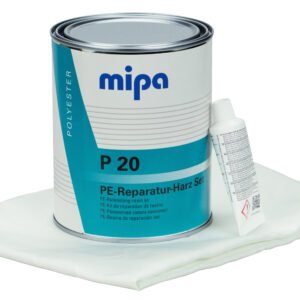
Mipa P 20 repair kit combines PE repair resin, hardener and glass fabric for holes, cracks and weakened fiberglass sections.
Fibre filler
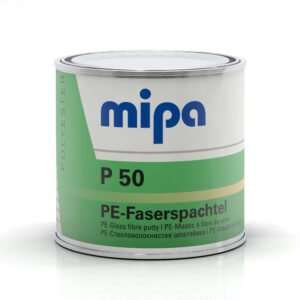
Mipa P 50 PE auto fibre filler bridges stronger local damage and gives extra support before fine finishing.
Fine finishing filler
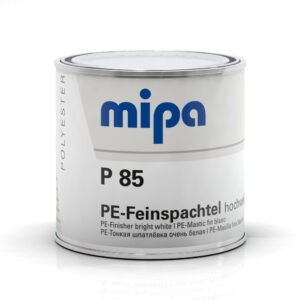
Mipa P 85 PE fine filler refines small marks after the structural repair has cured and been shaped.
Manual sanding sponge
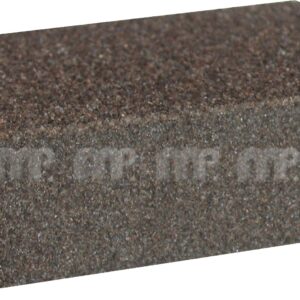
MP Sanding Sponge helps smooth curved patch edges and feather the repair into the surrounding surface.
Epoxy primer filler stage
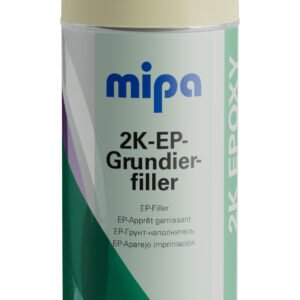
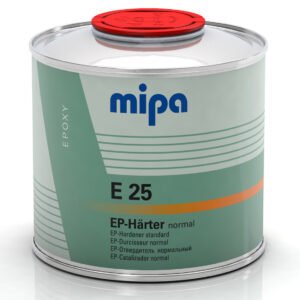
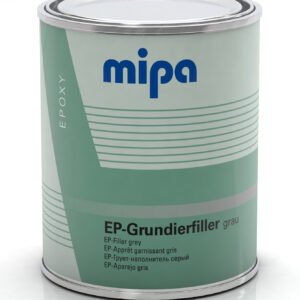
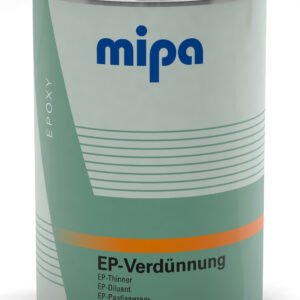
Mipa EP primer filler with Mipa EP Hardener E 25 normal and Mipa EP Thinner prepares the filled patch for the coating layer.
Clearcoat protection
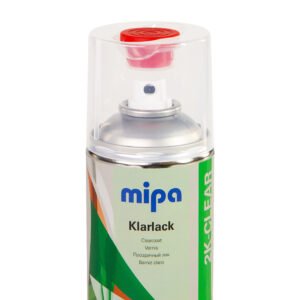
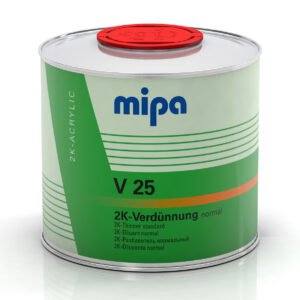
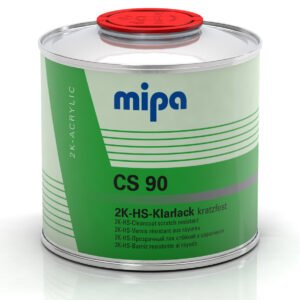
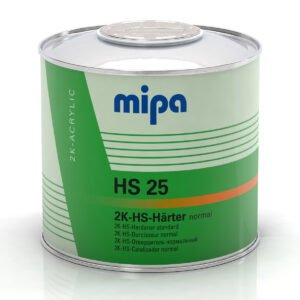
Mipa 2K-HS Clearcoat CS 90 with Mipa 2K-HS Hardener HS 25 normal and Mipa 2K Thinner Normal V 25 gives a durable final layer; Mipa 2K Clearcoat Spray suits compact repairs.
How to repair and paint small fiberglass patches
- 1
Clean and inspect
Clean the patch area and check whether the repair needs reinforced resin, fibre filler or only fine filling.
- 2
Build the repair
Use repair resin and glass fabric for holes or weak sections, then use fibre filler where extra bridging strength is needed.
- 3
Refine the shape
After curing, sand the repair and use fine filler only for the remaining surface marks.
- 4
Prime the patch
Apply the primer filler layer once the repair is smooth, dry and free from sanding residue.
- 5
Finish the surface
Apply the clearcoat method matched to the job size and allow the coating to cure fully before handling or assembly.
Which fiberglass repair products should you choose?
For holes and splits
Choose the repair kit when the damaged area needs glass fabric and resin reinforcement before surface finishing.
For cracks and bridged defects
Choose fibre filler when the patch needs extra strength but not a full resin and fabric repair.
For final cosmetic marks
Choose fine filler only after the repair structure is stable, then move to primer filler and clearcoat.
Technical details
- P 20 repair resin and glass fabric are for reinforced rebuilding, while P 85 is for final surface refinement.
- Do not bury rough repair edges under clearcoat; patch edges should be feathered smooth before primer.
- Epoxy primer filler helps create a stable bridge between repaired fiberglass, filler and the final coating system.
- Use suitable respiratory protection and ventilation when sanding cured fiberglass and applying activated 2K coatings.
Practical suggestion
Work from strongest repair to finest surface. Resin and fibre filler solve structure and bridging; fine filler, primer and clearcoat solve appearance.