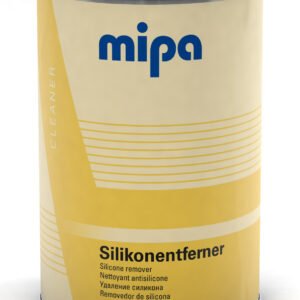
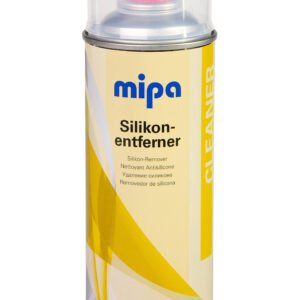
Mipa silicone remover in liquid or spray format removes wax, grease and polishing residue before careful carbon surface preparation.

Carbon fibre surface repair before clearcoat
Carbon fibre repair before clearcoat should stay precise and conservative. This guide is for coating-level correction, light sanding marks and faded clear layers, not structural cracks, delamination or broken fibre.
Mipa silicone remover in liquid or spray format removes wax, grease and polishing residue before careful carbon surface preparation.
MP Finish Pad Soft Superfine P 800 helps refine cloudy or marked clearcoat on carbon contours without aggressive cutting.
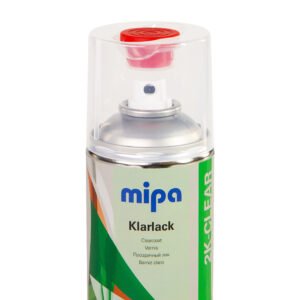
Mipa 2K Clearcoat Spray high gloss suits smaller carbon parts after the surface has been cleaned and refined.
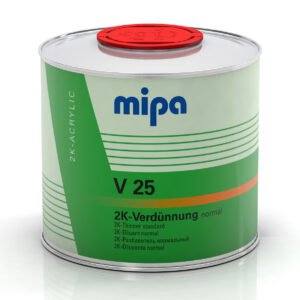
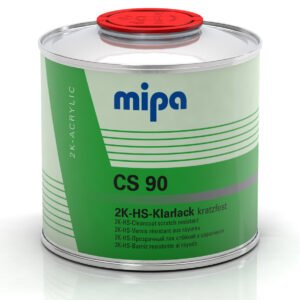
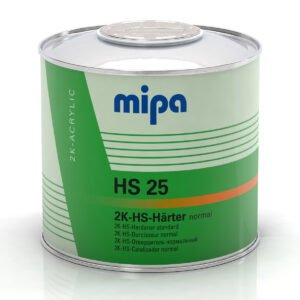
Mipa 2K-HS Clearcoat CS 90 with Mipa 2K-HS Hardener HS 25 normal and Mipa 2K Thinner Normal V 25 gives a controlled 2K clearcoat method for larger repaired surfaces.
Confirm that the problem is faded, scratched or damaged clearcoat rather than cracked laminate or loose fibre.
Remove silicone, wax and residue so the sanding pad works on the coating surface only.
Sand lightly and evenly until the surface is ready for recoating, avoiding sharp edges and raised weave.
Remove all residue and look for exposed fibre, deep scratches or remaining glossy islands.
Apply the chosen clearcoat system in controlled coats and allow full curing before polishing or fitting the part.
Proceed with gentle cleaning, refinement and clearcoat when the carbon part is sound and the issue sits in the old clear layer.
Use the CS 90 method when a spray gun application gives better control over film build and gloss.
Cracked carbon, delamination or soft areas need specialist composite repair before any clearcoat work begins.
Treat carbon fibre like a visible finish, not like ordinary filler work. Remove the minimum amount of material needed to make the new clearcoat bond.
© 2026 All Rights Reserved.
Start with the item. The job page shows what to use and in which order.