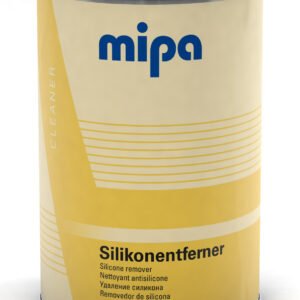
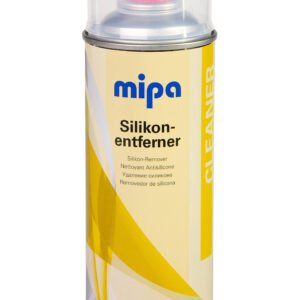
Mipa silicone remover in liquid or spray format removes grease, chain residue and hand oils before sanding or primer.

Bicycle forks and metal parts
Bicycle forks, brackets and small metal parts need the same discipline as frame painting, but with more edge control. Cleaning, sanding, epoxy primer and a compatible 2K colour layer help the finish survive handling and assembly.
Mipa silicone remover in liquid or spray format removes grease, chain residue and hand oils before sanding or primer.
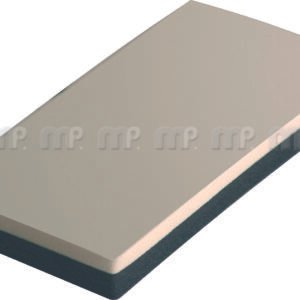
MP Hand Block Soft gives controlled sanding pressure on fork blades, brackets and small metal pieces.
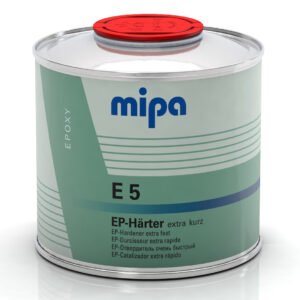
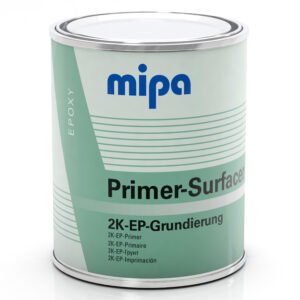
Mipa EP Primer Surfacer with Mipa EP hardener E 5 extra short gives prepared metal parts a stable epoxy primer base.
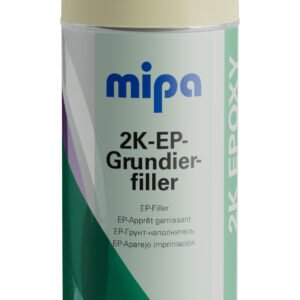
Mipa 2K-EP Primer Filler Spray supports smaller fork and hardware pieces where an activated aerosol primer method is practical.
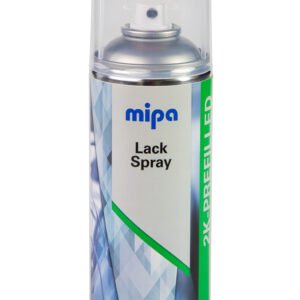
Mipa 2K Prefilled Spray can carry a compatible 2K paint colour onto smaller bicycle metal parts.
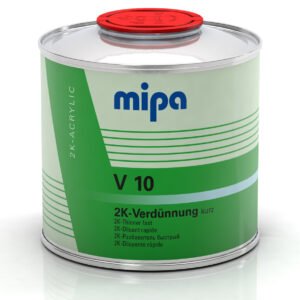
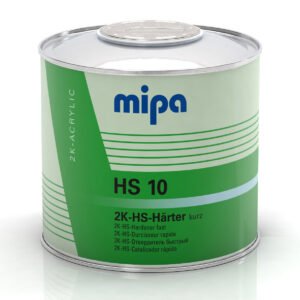
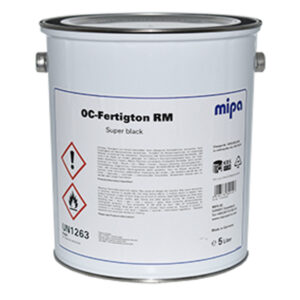
Mipa OC Ready Mixed Tones RM with Mipa 2K-HS Hardener HS 10 short and Mipa 2K Thinner Short V 10 supports direct gloss 2K colour work.
Take off forks, brackets and hardware where possible so edges and fixing points can be coated cleanly.
Clean the metal, sand the surface evenly and remove all residue before primer.
Apply the epoxy primer method to prepared metal and allow the primer to cure as specified.
Use controlled coats around edges, bolt holes and fork curves to avoid runs and thick buildup.
Allow full curing before tightening clamps, bolts or cable guides against the coating.
Use primer surfacer and a controlled 2K colour method when the part is highly visible.
Use the prefilled spray or activated primer spray method when the part size makes aerosol work efficient.
Keep the primer layer and colour coats thin enough that moving or bolted areas still fit correctly.
Mount small parts on wire hooks or temporary holders before painting. Handling a freshly coated bracket or fork dropout almost always leaves marks.
© 2026 All Rights Reserved.
Start with the item. The job page shows what to use and in which order.