Coatblend guided shopping
Guide to painting and protecting metal mooring hardware
Metal mooring hardware is exposed to weather, abrasion, rope contact and moisture, so coating work must focus on clean metal, prepared edges and a proper primer stage. Waterside metal needs careful cleaning, surface keying, corrosion resistant primer and a durable 2K topcoat because splash, hand contact and weather can quickly punish weak paint work.
What do you need to paint metal mooring hardware?
Cleaning and degreasing
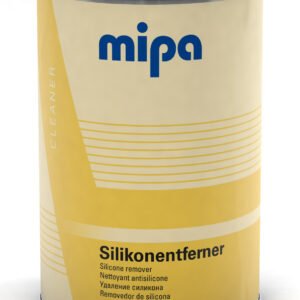
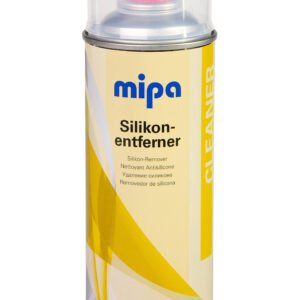
Mipa silicone remover in liquid or spray format removes grease, oil, silicone, wax and dirt from metal mooring hardware. Clean before sanding and again before coating so contamination is not trapped under the primer.
Surface keying and edge preparation
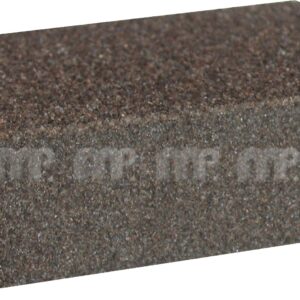
MP Sanding Sponge gives hand control on curves, rungs, brackets and edges. Use it to dull sound paint, feather old edges and prepare steel, zinc coated metal, aluminium or mixed metal before primer.
Mipa EP 100-20 epoxy primer stage
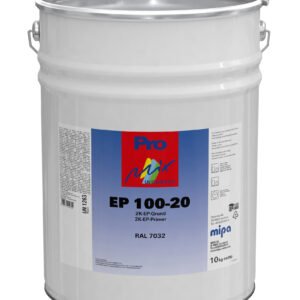
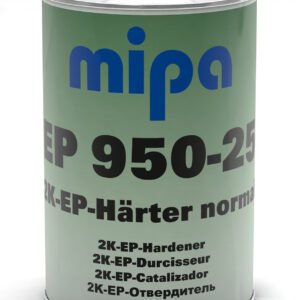
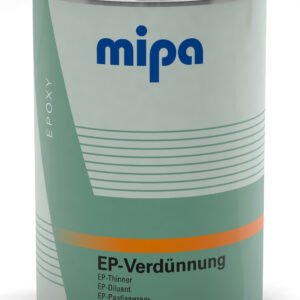
Mipa EP 100-20 is the corrosion focused 2K epoxy primer stage. Use it with Mipa EP 950-25 hardener and Mipa EP Thinner where the product information calls for that system.
Mipa PU 240-90 gloss topcoat stage
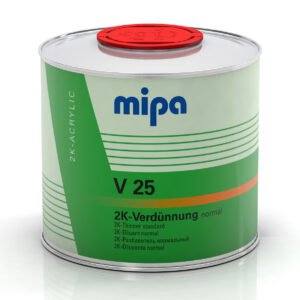
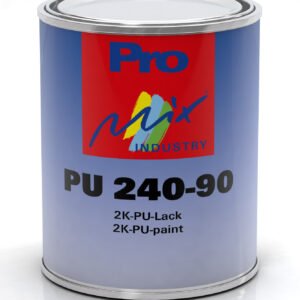
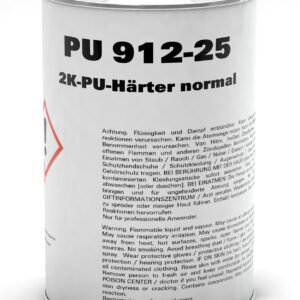
Mipa PU 240-90 gives the visible 2K polyurethane gloss finish for prepared parts exposed to weather and use. Mipa PU 912-25 hardener and Mipa 2K Thinner Normal V25 support the compatible PU topcoat stage.
How to paint and protect metal mooring hardware
- 1
Wash, degrease and remove weak material
Clean the metal mooring hardware, then remove loose rust, old loose paint, salt residue and chalked coating. Sound paint should be dulled rather than left glossy.
- 2
Prepare the profile and edges
Sand the surface evenly and pay close attention to welds, bolt areas, rungs, corners and water holding edges. These areas lose coating first when preparation is weak.
- 3
Prime with the epoxy stage
Apply Mipa EP 100-20 with the correct EP hardener and thinner method. The primer stage builds adhesion and corrosion resistance before the gloss coat is applied.
- 4
Finish with the polyurethane topcoat
Apply Mipa PU 240-90 with the matching PU hardener and thinner. Keep the film even across edges and shaped parts so the finish protects as well as it looks.
- 5
Inspect before returning to service
Let the coating cure before regular use near water. Recheck contact points on metal mooring hardware because ladders, rails and hardware often wear at touch and impact areas.
Which coating stages matter most on mooring hardware?
For bare or exposed metal
Use the epoxy primer stage first so the topcoat is not relied on as the only barrier against corrosion.
For sound old paint
Clean, sand and coat only after the old paint is firm enough to stay in place. Any loose edge should be taken back to a stable boundary.
For visible waterside parts
Use the PU 240-90 gloss topcoat when a durable colour finish is needed on railings, ladders, brackets or hardware above the waterline and splash zone.
Technical details
- Mipa EP 100-20 is a zinc phosphate 2K epoxy primer for steel, zinc coated substrates, aluminium, GRP and mineral substrates.
- Mipa EP 100-20 is listed by Mipa as suitable as a priming coat even for underwater and chemical protective coatings.
- Mipa PU 240-90 is a high quality 2K polyurethane acrylic topcoat for highly stressed surfaces on machines, constructions, commercial vehicles and facade elements.
- Waterside metal should be checked regularly after coating because standing water, edges, fasteners and abrasion can shorten service life.
Practical suggestion
Mooring hardware has edges, holes and rope contact points that wear quickly. Build the coating carefully around those details and inspect them after the first period of use.