Guided shopping manual
Guide to creating a textured protective finish on metal or plastic
Metal and plastic parts can be given a tougher textured surface when they are cleaned, keyed and primed correctly. This guide separates the metal and plastic preparation method before Mipa Protector is applied for a durable textured finish.
What do you need to create a textured protective finish on metal or plastic?
Cleaning and degreasing
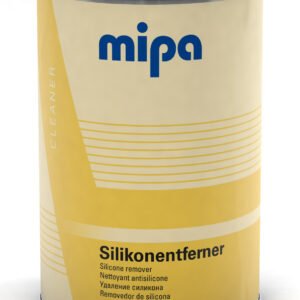
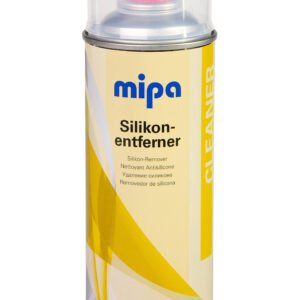
Mipa silicone remover in liquid format or Mipa silicone remover spray removes grease, wax and handling marks before the surface is keyed or coated.
Surface keying
MP Sanding Sponge prepares edges, corners and existing sound coatings so the primer or protective coating can grip evenly.
Plastic preparation
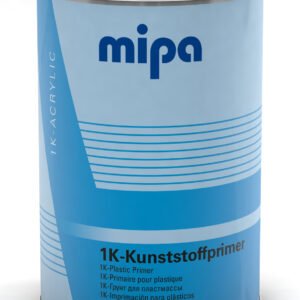
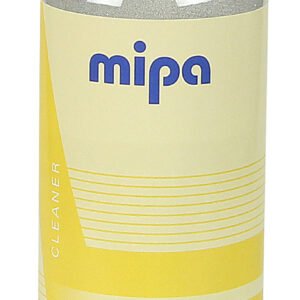
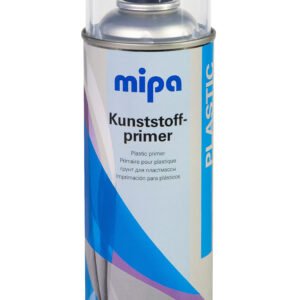
Mipa Plastic Cleaner, Mipa 1K Plastic Primer and Mipa Plastic Primer Spray help prepare common plastic sections before a textured protective finish is applied.
Epoxy primer for bare metal
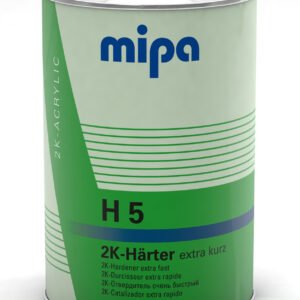
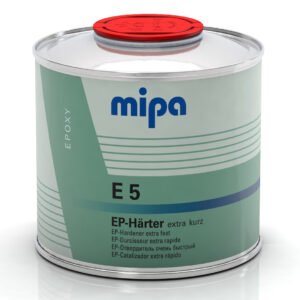
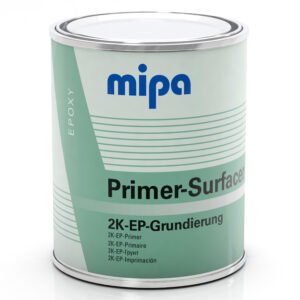
Mipa EP Primer Surfacer with Mipa EP hardener E 5 extra short creates a strong epoxy base on exposed metal before the protective layer.
Aerosol epoxy primer for small zones
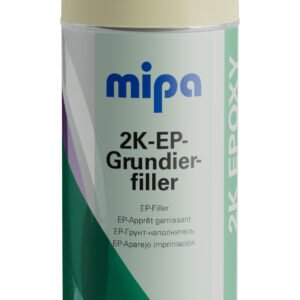
Mipa 2K-EP Primer Filler Spray incl. hardener is useful for compact repair areas, edges and small exposed metal sections before texture coating.
Textured protective coating
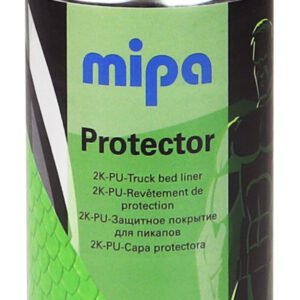
Mipa Protector black, Mipa Protector tintable and Mipa Protector 2K Spray create a tough textured finish for areas exposed to foot traffic, loading contact and abrasion.
Grip additive
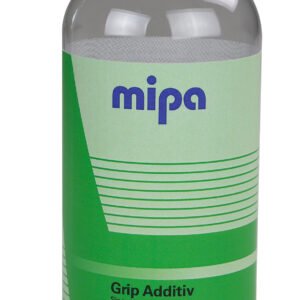
Mipa Grip Additive is mixed into the suitable coating method when a rougher walking surface is needed on ramps, treads or traffic edges.
Coating components
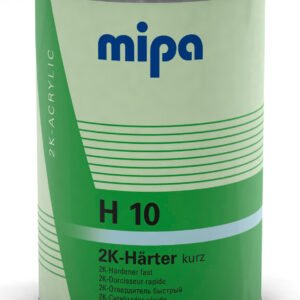
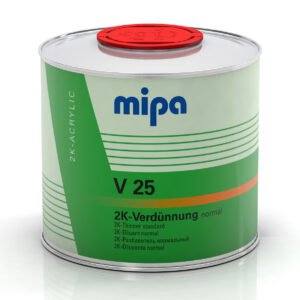
Mipa Protector liquid work uses the listed Mipa 2K hardeners and Mipa 2K Thinner Normal V 25 so the coating can cure and flow correctly.
Soft pad preparation
MP Soft Pad Superfine is used for gentle scuffing on shaped plastic or painted surfaces before cleaning and priming.
How to create a textured protective finish on metal or plastic
- 1
Clean the surface
Degrease the metal or plastic part carefully so old oil, wax and handling residue do not sit under the new coating.
- 2
Key or repair the base
Abrade sound coating and remove loose material. Bare metal or difficult edges need the suitable primer before the protective layer.
- 3
Prime exposed areas
Use the epoxy primer method for metal exposure, or the plastic primer method for plastic sections before the textured layer is applied.
- 4
Apply the protective coating
Apply Mipa Protector in the chosen format and build a uniform texture without flooding corners, edges or screw areas.
- 5
Allow proper curing before use
Keep the metal or plastic part out of hard service until the coating has cured enough for walking, loading or contact.
Which textured finish method should you choose?
Liquid coating for larger areas
Use Mipa Protector black or tintable when the surface area is larger and a controlled texture is needed over the complete contact zone.
Spray format for smaller sections
Use Mipa Protector 2K Spray for smaller repairs, edges, posts and sections that are easier to coat from an aerosol.
Rougher grip for walking contact
Use Mipa Grip Additive on ramp or tread areas where wet shoes, dust or loading movement make extra traction important.
Metal and plastic routes
Use epoxy primer on exposed metal and plastic cleaner plus plastic primer on plastic sections so each substrate receives the right base.
Technical details
- Mipa Protector is a 2K polyurethane acrylic protective coating for heavy duty surfaces and textured protection.
- Mipa Protector black and tintable liquid versions suit larger sections, while Mipa Protector 2K Spray suits compact repair areas.
- Bare metal needs a suitable primer before the textured layer so corrosion protection and adhesion are not left to the final coating alone.
- The listed hardeners and thinner are used in the 2K coating stages and must follow the correct mixing and application information.
- Use grip additive on walking or loading contact areas where extra traction is needed in the protective texture.
- Common plastic sections need plastic cleaner and plastic primer before the textured coating method is used.
Practical suggestion
Coat a small test area first on the metal or plastic part to check texture, grip and appearance before finishing the complete surface.