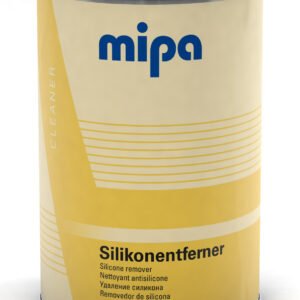
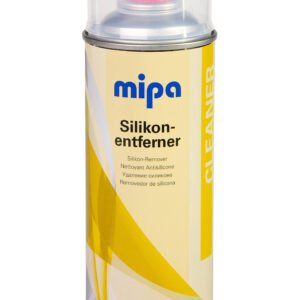
Mipa silicone remover in liquid or aerosol format removes grease, wax and silicone before the surface is keyed for heat-resistant coating.

Heat resistant engine coating
Engine covers and mechanical housings need preparation that respects heat, contamination and shaped cast surfaces. This guide uses Mipatherm, silicone remover and sanding tools for clean, heat-resistant coating work on suitable covers and housings.
Mipa silicone remover in liquid or aerosol format removes grease, wax and silicone before the surface is keyed for heat-resistant coating.
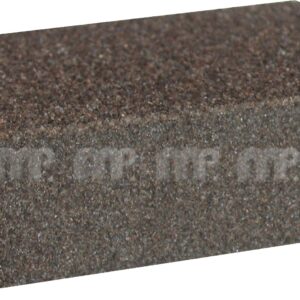
MP Sanding Sponge helps key curved covers, cast housings and small mechanical shapes without cutting into detail areas too aggressively.
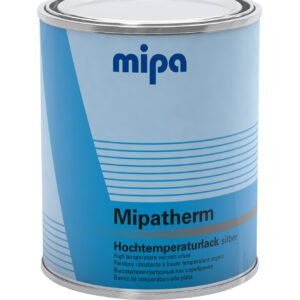
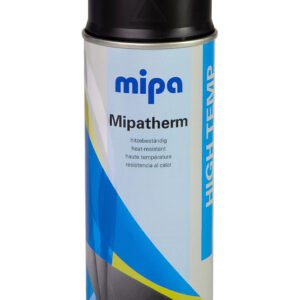
Mipatherm in liquid or aerosol format creates the heat-resistant coating stage for prepared engine covers and mechanical housings.
Work only on cool parts and remove covers where practical so edges and bolt areas can be prepared cleanly.
Use silicone remover to remove oil film and hand grease before any sanding starts.
Use the sanding sponge to dull the surface, then remove sanding dust before coating.
Apply Mipatherm in controlled coats and let the coating dry or cure according to the technical information before heat exposure.
Choose Mipatherm Spray for small covers, fins, ribs and complex shapes where an aerosol is easier to control.
Choose liquid Mipatherm where larger prepared surfaces or spray-gun application are planned.
Keep the film controlled on detailed engine covers. Heavy coating can soften detail and is more likely to mark around bolts or ribs.
© 2026 All Rights Reserved.
Start with the item. The job page shows what to use and in which order.