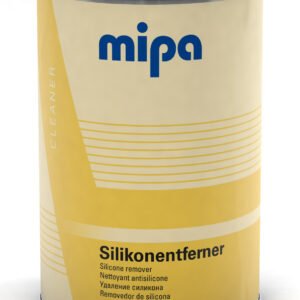
Mipa silicone remover is the main degreasing choice for larger stainless steel parts, handrails, brackets and panels before sanding or coating work begins.

Guided Shopping
Stainless steel needs careful cleaning before any coating work because fingerprints, grease and polishing residues can stop paint from bonding cleanly. This guide focuses on the surface preparation products already placed on this page so the part starts clean before sanding, priming or coating continues.
Mipa silicone remover is the main degreasing choice for larger stainless steel parts, handrails, brackets and panels before sanding or coating work begins.
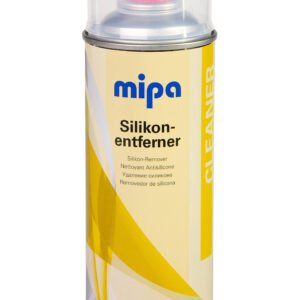
Mipa silicone remover spray gives fast local cleaning on edges, small fittings, bolt areas and awkward shapes where an aerosol is easier to control.
Check whether the stainless steel is polished, brushed, oily or already coated, because glossy and contaminated areas need extra preparation before paint can grip.
Use liquid silicone remover or the aerosol cleaner to remove grease, oil, fingerprints and silicone before abrasive work spreads contamination across the surface.
Sand or abrade the cleaned surface evenly so the next compatible coating stage has a consistent mechanical profile instead of a polished skin.
Remove sanding residue and wipe the part again so dust and fine metal particles do not remain under the next layer.
Let the part flash off fully, then continue with the compatible primer or coating system selected for stainless steel and the final exposure conditions.
Liquid silicone remover suits broad flat parts and repeated wipe work where clean cloths can be changed often.
The spray format is useful around corners, brackets, welds and small parts that are awkward to wipe from a container.
A first wipe removes visible residue, while a second clean after sanding helps remove fine dust before the next coating stage.
Clean a small test area first, abrade it, then confirm the chosen primer or coating grips before treating the full stainless steel part.
© 2026 All Rights Reserved.
Start with the item. The job page shows what to use and in which order.