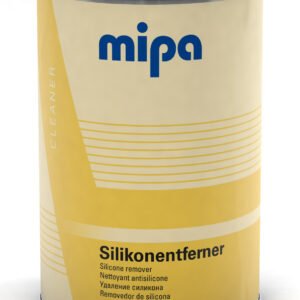
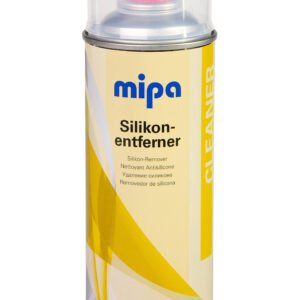
Mipa silicone remover in liquid or aerosol format removes grease and residue before the external hot part is keyed.

High heat exhaust coating
Exhausts, silencers and heat shields need a coating method built around heat, surface contamination and careful masking. This guide focuses on cleaning, keying and applying Mipatherm to suitable external hot parts without coating sensors, joints or functional contact surfaces.
Mipa silicone remover in liquid or aerosol format removes grease and residue before the external hot part is keyed.
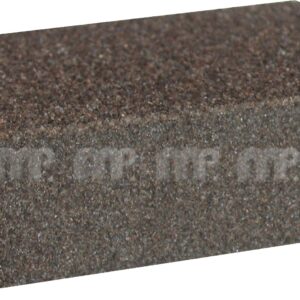
MP Sanding Sponge helps create a dull surface on accessible exhaust shields, silencers and heat-exposed metal before coating.
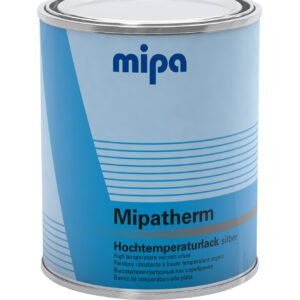
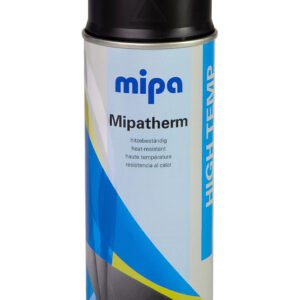
Mipatherm in liquid or aerosol format creates the heat-resistant coating stage for suitable prepared exhaust parts, silencers and heat shields.
Let the exhaust part cool completely and remove loose rust, dirt and flaking old coating before cleaning.
Clean with silicone remover, then sand the external surface until it is stable and dull.
Protect sensors, joints, clamps, rubber mounts, threads, contact faces and any area that should remain uncoated.
Apply the heat-resistant coating in controlled coats and follow the drying and heat exposure instructions before the part returns to service.
Choose Mipatherm Spray for heat shields, small silencers, brackets and shaped external parts.
Choose liquid Mipatherm where a larger prepared hot surface or spray-gun application is more suitable.
For old exhaust parts, preparation decides the result. Loose scale, oil and failing old coating should be removed before any new heat-resistant coating is applied.
© 2026 All Rights Reserved.
Start with the item. The job page shows what to use and in which order.