Guided shopping manual
Guide to painting boat engine covers
Boat engine covers are visible, handled and exposed to outdoor moisture, so the coating work should focus on cleaning, controlled sanding, a sound primer where needed and a durable above-water finish.
What do you need to paint boat engine covers?
Cleaning and degreasing
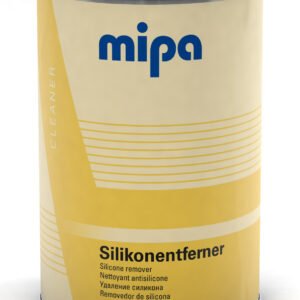
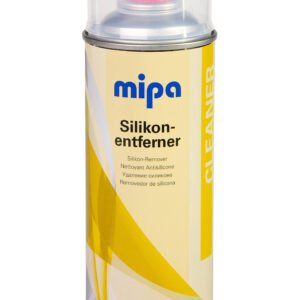
Mipa silicone remover in liquid or spray format removes grease, silicone and wax before sanding, priming or coating.
Surface keying
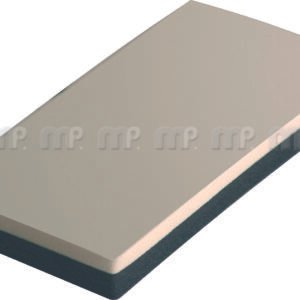
MP Hand Block Soft or MP Sanding Sponge helps dull glossy areas and keep curved edges even before primer or topcoat.
Epoxy primer for mixed substrates
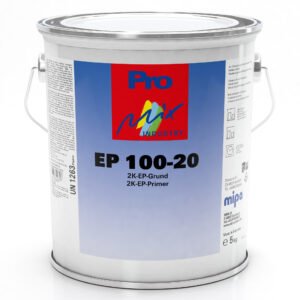
Mipa EP 100-20 is the epoxy primer method for steel, zinc-coated steel, aluminium, fibreglass and mineral substrates before the finishing coat.
Gloss polyurethane finish
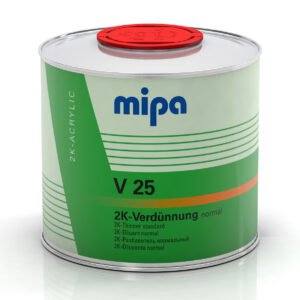
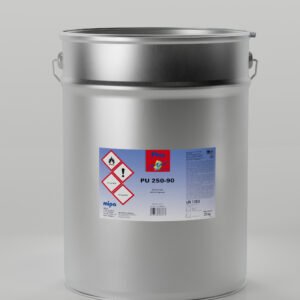
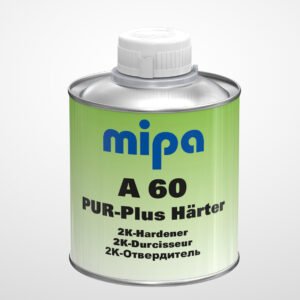
Mipa PU 250-90 gives a glossy 2K polyurethane finish for above-water panels, with the matching hardener and 2K thinner used in the same coating stage.
2K spray finish
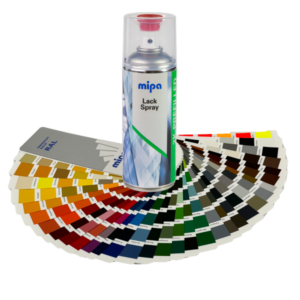
Mipa Mix PU 250 2K Paint Spray 48+ works for smaller covers or edge repairs where a prepared spray finish is more practical than liquid coating.
How to paint boat engine covers
- 1
Remove hardware and contamination
Take off badges or fittings where possible, then clean the surface before sanding around raised detail.
- 2
Sand without flattening edges
Key the old coating or substrate evenly while preserving molded lines, corners and mounting areas.
- 3
Prime exposed areas
Use the epoxy primer method where sanding reaches bare substrate or repair material.
- 4
Apply the PU finish
Coat the cover with the gloss polyurethane system or the 2K spray option, using thin even passes around corners.
- 5
Cure before refitting
Allow enough hardening time before refitting fasteners, seals or engine cover hardware.
Which engine cover finish should you choose?
For larger covers
Choose the liquid PU 250-90 system for a smoother controlled gloss over bigger visible surfaces.
For small covers
Choose the 2K spray method when the part can be removed and coated from all sides.
For exposed substrate
Choose the epoxy primer stage before the finish coat when sanding breaks through the old coating.
Technical details
- Mipa PU 250-90 is a gloss 2K PU topcoat intended for high-quality coatings on machines and constructions.
- Mipa EP 100-20 can be used on aluminium and fibreglass when those substrates are correctly prepared.
- This page is for engine covers and housings, not exhaust pipes or parts exposed to extreme heat.
- Use the product technical information for hardener choice, flash-off and curing before reinstalling hardware.
Practical suggestion
Mark where fasteners and seals sit before painting, then avoid heavy paint build-up in tight-fit areas so the cover can be refitted cleanly after curing.